Natural Birth vs. Medical Birth? Here’s What That Actually Means

Photography done by the beautiful Miranda Lynch
There Are Two Models of Birth
When you first think of birth, many people picture screaming in a hospital bed hooked up to IVs and machines — like you see in the movies. Let me tell you, that’s an exaggerated portrayal of what birth can look like.
Birth is a natural process, but it is shaped by the model of care you receive. In this article, we’re going to discuss the differences between natural (physiological) birth and medically managed birth — and how each approach can affect you, your baby, and the overall process of labor.
Many women don’t realize there are two primary ways birth is approached. Understanding this changes everything.
1️⃣ What Is Physiological Birth?
Physiological birth is led primarily by hormones and your body’s natural processes. This includes going into labor spontaneously without induction and allowing labor to unfold without intervention unless it becomes medically necessary.
Our bodies are designed to know how to have babies. While complications can arise, they are not the norm in low-risk pregnancies.
Physiological birth means allowing the body to complete a hormonal, biological process without unnecessary interference.
I used to think having a natural birth simply meant not having medication. I tend to operate from a natural mindset and want my body to be given the chance to do what it was made to do. But I’ve come to understand that a truly physiological birth is about more than avoiding medication — it’s about supporting the full hormonal process. And that process cannot function optimally without the right setting and care.
Environment matters deeply.
When I think about the best environment for birth, I think about what animals do. Most animals (like dogs and cats) instinctively find a quiet, dark, undisturbed place to birth their babies. That type of environment promotes oxytocin — the hormone that drives labor forward. Oxytocin is often called the “love hormone,” and it also has natural pain-relieving properties.
This is where I realized birth can be meditative and even blissful when the hormones are allowed to work and fear is reduced.
With physiological birth, support-focused care is essential. When you feel safe, supported, and undisturbed, your body can take over. You stop fighting labor and begin working with it.
It’s our responsibility to learn how our bodies work if we desire a physiological birth. We must trust the body’s design and work with it — not against it.
I also want to clarify: there is absolutely a time and place for medical intervention. There is a place for pain relief. There are situations where complications arise. The goal is not to reject medicine. The goal is to understand it.
Get informed. Ask questions. Learn the benefits, risks, and alternatives of any intervention presented to you. Make decisions that are best for you and your baby.
2️⃣ What Is Medically Managed Birth?
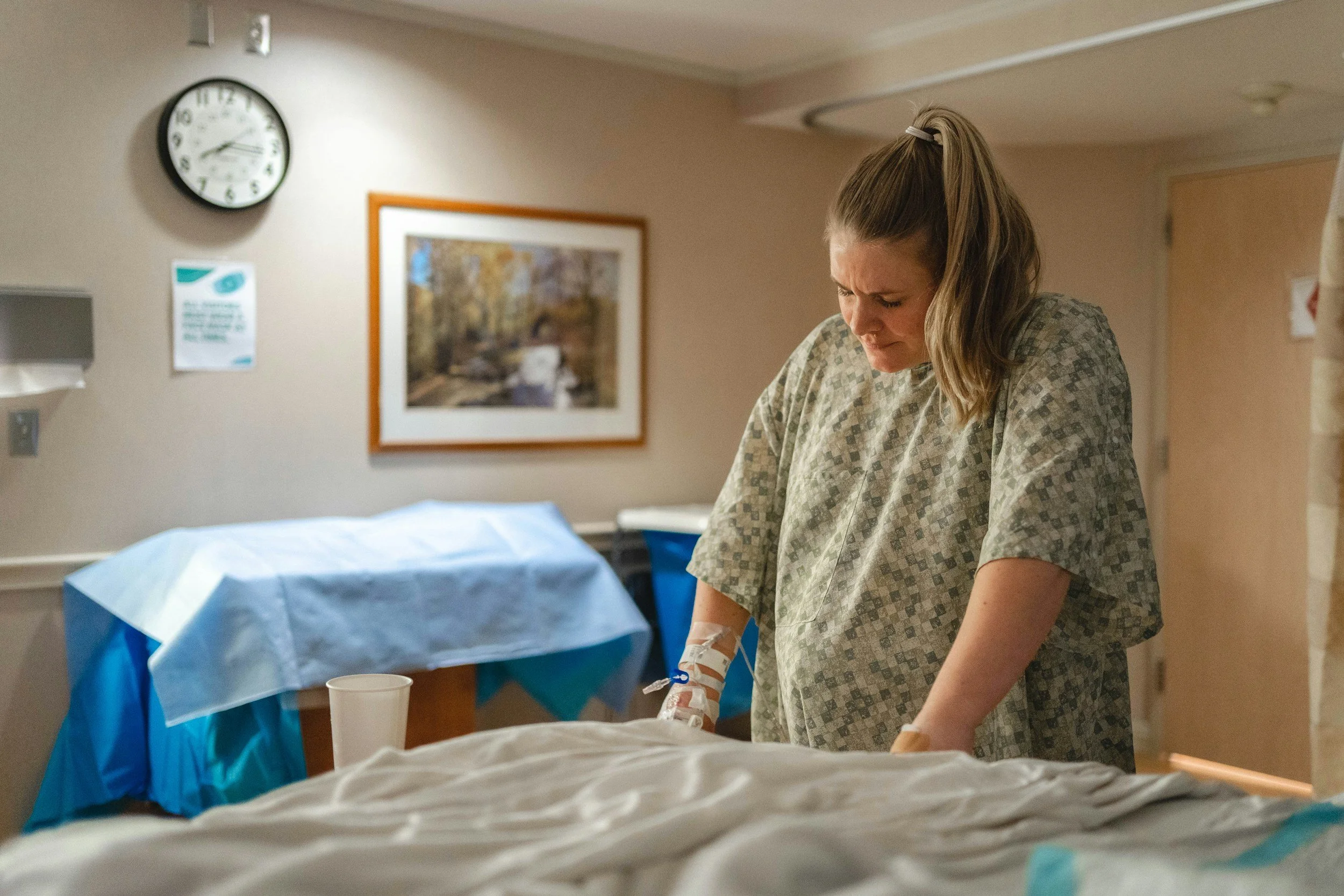
For some women, medically managed birth feels the safest and most aligned — and that’s okay.
The medical system generally views birth as an event that must be closely monitored and managed. This means continuous monitoring, structured timelines, and often preventative interventions used before a complication has the chance to arise.
Hospitals operate under protocols and policies, many of which are designed around risk management and liability. They also function on schedules — with limited rooms and staff — which can influence how labor is handled.
Even within that system, you still have autonomy. You have the right to ask questions and make informed decisions about your body and your birth. It’s important to understand the difference between hospital policy and true medical necessity.
One reason many women explore physiological birth is because of something called the cascade of interventions. This is when one intervention increases the likelihood of another.
For example:
Continuous fetal monitoring can restrict movement. Restricted movement can increase discomfort and anxiety. Increased anxiety can slow labor. Slower labor may lead to Pitocin. Stronger contractions from Pitocin can lead some mothers to choose an epidural.
This does not happen in every case. But it’s important to understand how interventions can influence the overall flow of labor.
Again, this isn’t about labeling interventions as bad. It’s about knowing what they mean and what they can lead to — especially if your goal is an unmedicated birth.
3️⃣ Can You Have a Physiological Birth in a Hospital?
Yes — sometimes.
It depends on your provider, hospital policies, advocacy, and the support you have around you.
I’ve attended several beautiful physiological births in hospital settings where labor was allowed to unfold without unnecessary intervention. But that often required strong communication, preparation, and understanding how the system works.
Hospital protocols — like continuous monitoring — can impact how labor progresses. For instance, if you’re using movement as a comfort measure but are frequently interrupted so nurses can adjust monitors, that disruption can make it harder to settle into active labor.
That doesn’t mean hospital birth prevents physiological birth. It means your provider’s philosophy, the policies in place, your choices, and how supported you feel matter greatly.
With preparation and clear communication, many women do achieve physiological births in hospital settings.
4️⃣ The Real Question Isn’t Which Is Better
It’s not about earning a gold star for going unmedicated.
It’s about understanding what kind of care model you’re stepping into and what aligns with you.
Knowing the benefits, risks, and alternatives of each decision matters.
What brings you the most peace when thinking about your birth?
If that’s being at home with a trained midwife who deeply trusts birth and knows when something isn’t right — that’s beautiful.
If it’s being in a hospital where every tool and treatment is immediately available — that’s valid too.
Your care team’s philosophy matters.
What do they believe about birth?
How do they approach induction?
How do they handle complications?
How do they respond when a patient declines something?
Are they able to set aside their biases and truly support your goals?
Your environment matters more than most women realize. Think deeply about what feels safe, calm, and empowering to you.
5️⃣ Why This Connects to the 3 Biggest Decisions in Pregnancy
The decisions you make for your birth will shape your experience.
Birth is life-changing. It’s something you will remember forever. How you prepare for it matters.
The three biggest decisions you make are:
• What type of birth approach you want (physiological or medically managed)
• Where you give birth
• Who you choose as your provider
Most women don’t realize how much these decisions determine their experience.
6️⃣ If You’re Pregnant and Unsure What Birth Approach Aligns With You…
You can take my Birth Approach Quiz and receive the 3 Decisions Comparison Guide along with my Conversations With Your Care Provider Guide delivered straight to your email.
That guide will help you ask questions like:
How do you view induction?
What is your cesarean rate?
How do you support physiologic labor?
How are decisions made in the moment?
How do you handle a patient declining a recommendation?
And more — including how to assess their answers.
Inside my free community class, we break down the three decisions that shape your birth experience. We also talk about what to expect during each trimester and how to support your body and manage stress (with two local chiropractors).
You deserve to feel informed — not pressured — during pregnancy.
